Neha, Mr. Gupta and the Khans: Japan Business, Student, Family Visit, Multiple Entry and Transit Visas Explained
Three Indian travellers, three different Japan visas. A story led guide to business, student, family visit, multiple entry and transit visas.
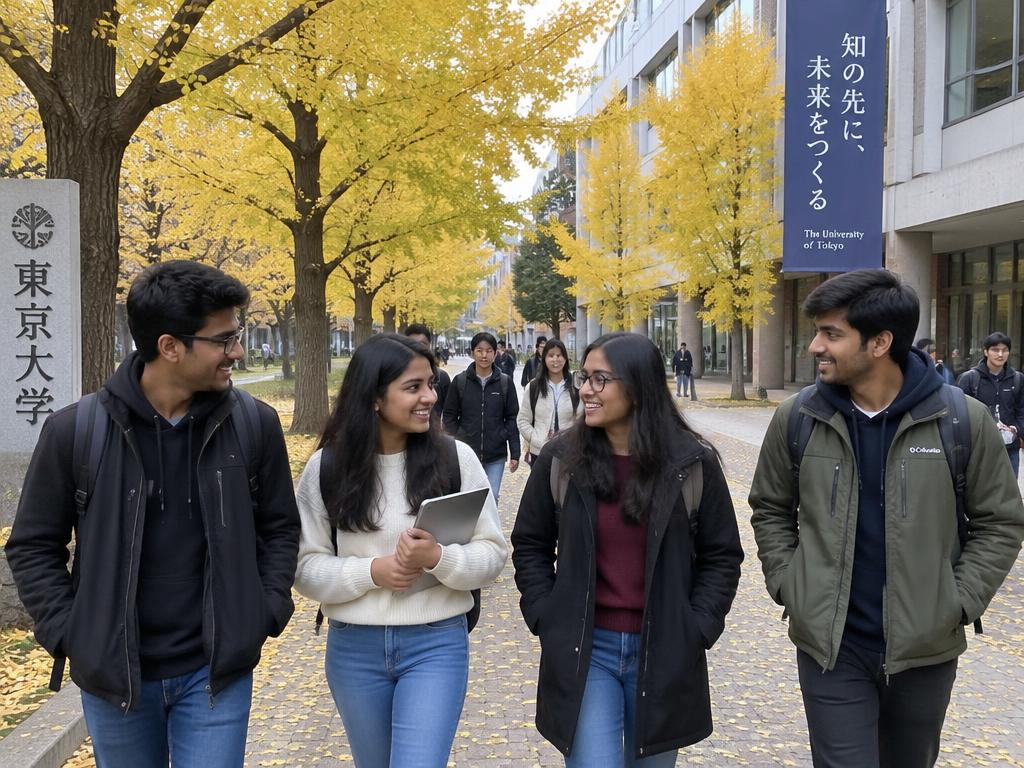
Three travellers, three purposes
Not every trip to Japan is a holiday. Neha Banerjee, 22, from Kolkata, has an offer from a Japanese language school in Tokyo. Mr. Rakesh Gupta, 48, an auto parts manufacturer from Faridabad, has meetings with a supplier in Nagoya. And the Khan family of Hyderabad wants to visit their daughter Sana, who works as an engineer in Yokohama.
Each of them needs a different kind of Japan visa, with different documents. Picking the wrong category is one of the fastest ways to get a refusal, so let us follow each of them.
All three still apply through VFS Global in their jurisdiction, and the standard fees for short term visas follow the same structure: ₹500 consular fee plus ₹800 VFS service charge. Long term visas like student visas have their own process described below.
Mr. Gupta's business visa
A short term business visa covers meetings, negotiations, trade fairs, factory visits and contract signing, but not paid work in Japan. Mr. Gupta needs an invitation letter from the Japanese company stating the purpose and dates, plus a letter from his own company on letterhead explaining his role and who is paying.
He also attaches his company registration, GST certificate, the company's recent bank statements, his own ITRs and a schedule of meetings. If the Japanese company is guaranteeing his stay, they also provide a letter of guarantee.
Frequent business travellers like him can ask about a multiple entry visa, which Japan grants to Indians who meet certain conditions, such as a strong travel history or a stable business profile. It can be valid for several years with each stay limited to a set number of days.
Neha's student visa
Students going for more than 90 days do not apply for a tourist visa. The school in Japan first applies to Japanese immigration for a Certificate of Eligibility (CoE) on Neha's behalf, using her academic records, language test results and her parents' financial documents.
When the CoE arrives, usually two to three months later, the school sends it to Neha. She then applies for the student visa through VFS with her passport, application form, photo, the original CoE and her admission letter. Because the CoE already proves her eligibility, the visa stage is usually quick.
On arrival in Japan she receives a residence card at the airport. Students on this visa can apply for permission to work part time, up to 28 hours a week during term. Neha has already lined up a café job near her school.
The Khans' family visit
To visit a relative living in Japan, the family applies for a short term visa for visiting relatives. Sana sends an invitation letter, a copy of her residence card and passport, a certificate of residence and, if she is guaranteeing the trip, a letter of guarantee with her income proof.
Mr. and Mrs. Khan attach proof of the relationship, such as Sana's birth certificate showing their names, along with their own bank statements and ITRs if they are paying. They also include a simple itinerary that shows they will stay with Sana in Yokohama and take a few day trips.
Their visa came back in a week, and in October they watched autumn leaves turn red in Hakone with their daughter.
Multiple entry visas in simple words
A multiple entry visa lets you enter Japan many times during its validity, which can be one, three or five years depending on what is granted. Each stay is limited, typically to 15, 30 or 90 days.
Japan has eased multiple entry rules for Indian nationals over the years. Applicants with good income, previous travel to Japan or other developed countries, or business ties may qualify. The exact criteria change, so read the Embassy of Japan in India notice before applying and state clearly in your cover letter that you are requesting a multiple entry visa.
Even with a multiple entry visa, carry fresh proof of funds and return tickets on each trip, as immigration officers can ask.
Transit through Japan
Indians changing planes in Japan without leaving the airport's international transit area usually do not need a visa. If you want to step out, for example during a long layover at Narita or Haneda, you may be eligible for a shore pass or need a transit visa, depending on your onward ticket and airline.
Check with your airline and the Embassy's transit rules before booking, especially if your layover is overnight or involves changing airports, such as arriving at Narita and departing from Haneda, which requires entering Japan.
For most travellers heading to the USA or Canada via Tokyo, a same airport connection is the simplest option.
Choosing the right visa, in one table of thoughts
Holiday or sightseeing: tourist visa. Meetings, trade fairs, no paid work: short term business visa. Studying more than three months: student visa through a Certificate of Eligibility. Visiting a family member who lives in Japan: visiting relatives visa. Frequent visits: ask for multiple entry. Changing planes: transit rules.
Whichever you choose, the same golden rules apply: consistent dates, complete and stamped financial papers, a clear cover letter and an honest purpose.
Start with the free JapanOPedia visa kit for tourist trips, and use the embassy finder on the same page to see which consulate handles your state.